RGB WebGL Puzzle Game
Reviews
RGB WebGL offers a fresh take on puzzle games by combining light physics with strategic mirror placement. The controls are intuitive, and the difficulty ramps up nicely without becoming frustrating. Each level feels like a small victory when solved. The clean graphics and smooth performance make it a pleasure to play. It has good replay value for those who enjoy logic puzzles.
About This Game
Game Introduction
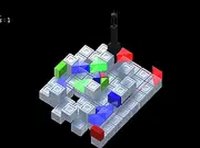
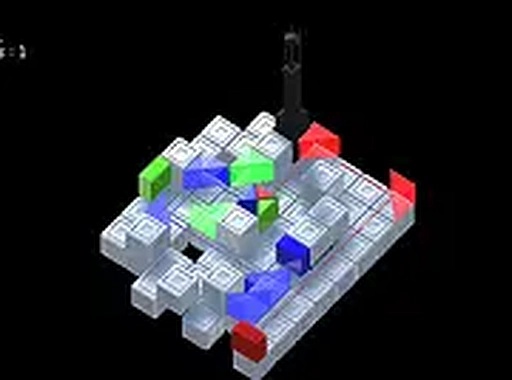
RGB WebGL Puzzle Game Online is a light-based puzzle game that challenges your logical thinking and problem-solving skills. The core objective is to direct colored beams of light from their sources to matching targets on a game board. Players must place and rotate mirrors to reflect the light along the correct path. The game features a clean, minimal interface and runs smoothly in your browser using WebGL technology. It is designed for desktop play and supports full-screen mode for an immersive experience. This game appeals to players who enjoy logical challenges and creative problem-solving, making it a good choice for short breaks or longer play sessions.
How to Play
To play, you use your mouse to click and drag mirrors from a side panel onto the game board. Each mirror must be positioned so it reflects the incoming light beam toward the correct target. You can rotate a mirror by clicking on it, which changes the angle of reflection. The game provides visual feedback when a light successfully reaches its target. Each level introduces new layouts and obstacles, requiring careful planning. There are no downloads or installations required—simply open the game in your browser and start solving puzzles. The simple mechanics make it easy to start, while the growing complexity keeps it engaging.
Game Features
Features include increasing difficulty across many levels, clean and distraction-free visuals, smooth performance with WebGL technology, and full-screen mode for better focus. The game is free to play with no ads or paywalls, and it supports keyboard and mouse controls for precise placement. Each level presents new layouts and obstacles that require careful planning to solve.
Tips for Success
To succeed, start by observing the paths of the light beams before placing any mirrors. Plan your mirror placements carefully, considering how each mirror will affect the beam's direction. Rotate mirrors to experiment with different angles until the light reaches its target. Practice regularly to improve your ability to visualize light paths. If you get stuck, take a break and return with fresh eyes—sometimes a new perspective helps solve a tricky puzzle.